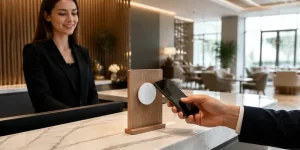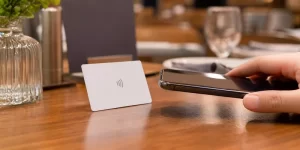
NFC WiFi tags give guests a faster way to join a wireless network without typing a long password. A customer taps a card, sticker, or table sign with a compatible phone, and the phone reads the WiFi record or a linked setup page. For hotels, cafes, coworking spaces, clinics, salons, and offices, that small interaction can reduce staff interruptions and make guest access feel more polished.
The buying decision is not only about choosing a chip. A reliable NFC WiFi project needs the right physical format, clear QR backup, correct encoding data, clean artwork, placement testing, and a plan for password changes. If the tag will sit on metal, behind acrylic, inside a wooden sign, or near POS equipment, sample testing matters before bulk production.
Quick Recommendation
For most guest WiFi projects, use a 13.56 MHz NFC tag or card with a printed QR code backup. Choose the physical format around where the guest will notice it: a counter card for cafes, a room card or table stand for hotels, a wall sticker for offices, or a small plaque for reception desks. Before ordering, test the final tag construction with several iPhone and Android models in the real placement.
| Buyer question | What to check | Why it matters |
|---|---|---|
| Where will guests tap? | Counter, guest room, table, wall, reception, meeting room, or product display | Placement changes visibility, phone angle, and risk of damage. |
| What should the phone open? | Native WiFi record, setup landing page, or support page with instructions | Some phone behaviors vary, so the destination should be tested. |
| Is a QR backup needed? | Usually yes, especially in public spaces | QR codes help when NFC is disabled, unsupported, or hard to trigger. |
| What material fits the location? | PVC card, NFC sticker, wooden card, epoxy tag, or anti-metal tag | Surface material and mounting method can affect NFC performance. |
| Will the password change? | Directly encoded WiFi credentials or a managed redirect/setup page | Direct encoding is simple; managed pages are easier to update later. |
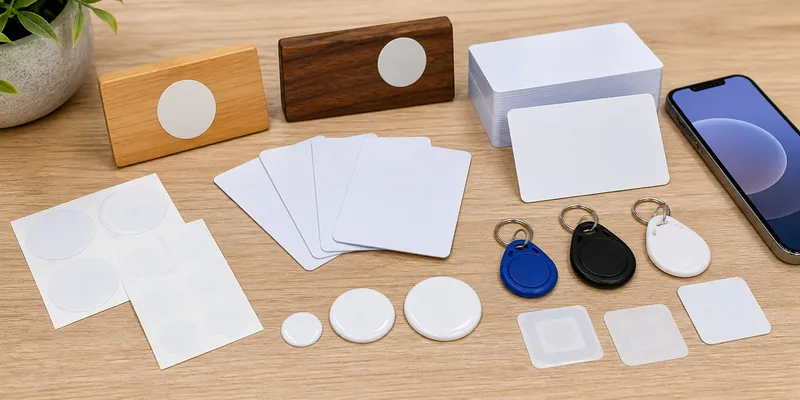
NFC WiFi tags are NFC-enabled physical items programmed for guest wireless access. They may be supplied as PVC cards, NFC stickers, labels, wooden table signs, epoxy tokens, key fobs, or custom printed cards. The embedded NFC chip stores data that a phone can read at close range.
ASIARFID’s NFC tags and labels category is the closest starting point for sticker and label projects. For card-style deployments, buyers can also compare 13.56 MHz RFID/NFC cards. If the tag will be mounted on metal furniture, POS hardware, or a metal-backed sign, review NFC anti-metal tags before choosing a standard sticker.
The important point is simple: the tag, printed design, encoded data, and placement must be planned together. A tag can be technically correct but still fail the guest experience if it is hidden, mounted on the wrong surface, or encoded with outdated network information.
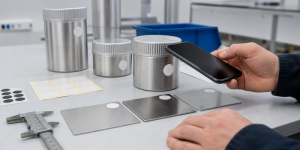
Most NFC WiFi tags use 13.56 MHz NFC technology. A phone reads the tag when it is held close to the antenna area, then responds according to the encoded record or link. The exact experience can vary by phone model, operating system, NFC settings, case thickness, antenna position, and how the tag is mounted.
That variability is why a printed QR code is practical. NFC is quick when it works smoothly; QR is more universal and easier to scan from a distance. In public guest areas, the strongest setup is often tap plus scan: NFC for a fast close-range action, QR for backup.
Do not treat read performance as a fixed promise. NFC tap reliability can depend on chip and antenna design, phone model, tag orientation, surface material, mounting method, nearby metal, and electrical interference. A sample should be tested in the actual position, not only on a clean desk.
Choose the Right NFC WiFi Format
PVC NFC Cards
PVC NFC cards are useful for hotel rooms, coworking meeting rooms, front desks, salons, and offices where the card can sit in a holder or be handed to a visitor. They give enough surface area for a brand mark, short instruction, QR backup, and optional room or branch code.
NFC Stickers and Labels
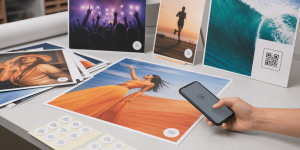
Stickers work well on menus, table tents, folders, wall signs, reception displays, and packaging. Confirm the mounting surface before production. A standard NFC sticker may work on plastic, paper, glass, or wood, but it may need an anti-metal construction when attached directly to metal or very close to electronics.
Wooden or Acrylic Table Signs
Hotels and cafes often prefer a table sign because it feels more intentional than a small sticker. The tag position inside the sign still matters. Thick material, metal bases, printed layers, and decorative coatings can reduce tap consistency, so sample testing should use the final structure.
Epoxy Tokens or Key Fobs
Small tokens and key fobs are better when the WiFi credential needs to be portable, such as a rental property welcome kit, event reception pack, or visitor badge bundle. For broader NFC product planning, ASIARFID’s RFID cards and custom NFC/RFID product options can help buyers compare card, tag, and token formats.
Encoding and Password Planning
Before production, decide whether each tag should store the WiFi network details directly or open a web page that explains how to connect. Direct WiFi encoding is simple, but it can become inconvenient if the SSID or password changes after a large batch is produced. A landing page or managed redirect is more flexible, but it adds another system that must stay online and accurate.
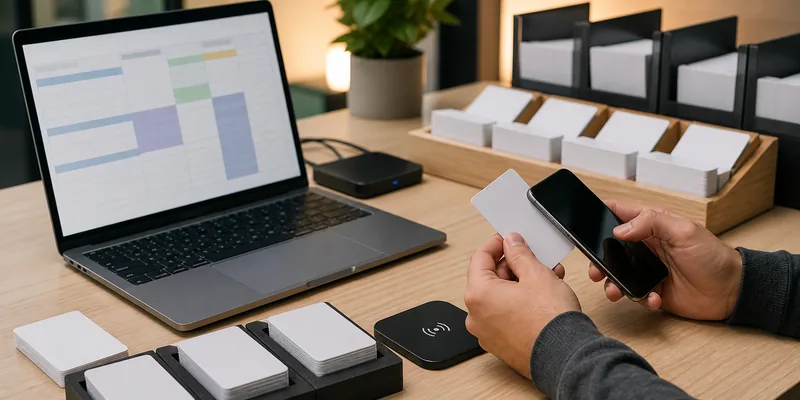
For multi-location buyers, prepare a spreadsheet before ordering. Include property name, branch, room or area, SSID, password or destination URL, QR code destination, printed label, quantity, and packaging group. This prevents a hotel from receiving cafe tags, a branch from receiving another branch’s network data, or a room pack from being sorted incorrectly.
What To Prepare Before Ordering
- Application: hotel room, cafe counter, restaurant table, office meeting room, clinic reception, showroom, or event desk.
- Tag format: PVC card, NFC sticker, table sign, wooden card, epoxy token, key fob, or anti-metal label.
- Artwork: logo, brand colors, instruction text, QR code position, serial number, branch code, and front/back design.
- Encoding data: SSID, password, encryption type if needed, destination URL, lock preference, and whether tags should remain rewritable.
- Placement: surface material, distance from metal, phone tap angle, cleaning exposure, and visibility for guests.
- Quantity plan: total pieces, branch allocation, spare stock, packaging labels, and replacement rules.
- Test plan: sample tags, phone models, phone cases, final sign structure, and acceptance criteria.
Do not include sensitive internal WiFi passwords in public artwork or uncontrolled files. If the printed card includes a QR code, confirm whether the QR reveals the password directly or opens a controlled guest-access page.
Common Mistakes
The first mistake is ordering a beautiful sign before testing the embedded tag. A wooden or acrylic design may look right in a sample photo but read poorly if the NFC antenna is too deep, too close to metal, or covered by a material that changes phone positioning.
The second mistake is skipping QR backup. Some guests will have NFC disabled, may not know where their phone antenna is, or may use a device that handles NFC differently. A small printed QR code gives staff a quick fallback without explaining phone settings.
The third mistake is treating every branch as the same. A hotel chain, cafe group, or clinic network may need different SSIDs, passwords, guest portals, or printed branch names. Encoding and packaging should follow the deployment spreadsheet, not a single generic label.
Why Work With ASIARFID
ASIARFID can help buyers compare NFC labels, NFC cards, anti-metal NFC tags, and related custom RFID/NFC formats for guest-facing projects. The useful starting point is specific: where the tag will be placed, what the phone should open, whether QR backup is needed, how many locations are involved, and whether the surface is metal, wood, plastic, glass, or acrylic.
Send artwork, tag format, quantity, encoding data, and placement details before production. Samples are the safest way to confirm tap behavior, design readability, and packaging before a hotel, cafe, or office rolls out hundreds or thousands of pieces.
FAQ
No physical NFC product should be described as working perfectly on every phone. Many modern smartphones can read NFC tags, but behavior depends on phone model, settings, case thickness, antenna position, and the encoded record. Add a QR backup and test common guest devices.
Should I use an NFC tag or a QR code for guest WiFi?
Use both when the tag will be used by the public. NFC is fast for close-range tapping, while QR is more familiar and can be scanned from a distance. The printed design should make both options easy to understand.
If the password is encoded directly into a locked tag, changing it later usually means re-encoding or replacing the tag. A managed landing page or redirect can be easier to update, but it must be maintained.
Can NFC WiFi stickers be mounted on metal?
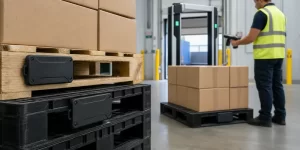
Standard NFC stickers may perform poorly on metal. If the tag will sit on metal furniture, a metal counter, POS hardware, or a metal-backed sign, test an NFC anti-metal tag or another structure designed for that surface.
What information should I send for a bulk NFC WiFi quote?
Send the application, tag format, artwork, quantity, SSID or destination plan, QR code requirement, placement surface, packaging groups, and sample-testing needs. For multi-location orders, include a structured encoding spreadsheet.
Locking can prevent accidental rewriting in public areas, but it reduces flexibility if the network changes. Decide based on who controls the tags, how often credentials change, and whether you use a direct WiFi record or managed page.
Conclusion
NFC WiFi tags are small, but they touch several decisions at once: chip, format, printed design, QR backup, encoding, placement, and branch-level sorting. The best order starts with the guest workflow, then confirms the tag construction through samples. For hotels, cafes, offices, and reception areas, send ASIARFID the final use environment and encoding plan before bulk production so the finished tags are easy for guests to use and practical for staff to manage.