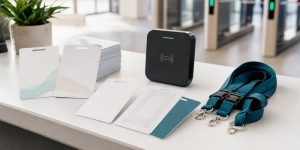
Your cousin’s wedding invitation is sitting in a drawer somewhere. So is the one from your college roommate. And that beautiful letterpress card from your boss’s daughter’s wedding? Probably recycled months ago.
Here’s the thing about traditional wedding invitations: they’re designed to be thrown away.
But what if your invitation could live on your guests’ wrists throughout the entire celebration—unlocking experiences, capturing memories, and becoming something they’d actually keep?
That’s exactly what NFC wedding wristbands do. And couples who’ve used them tell me the same thing: guests don’t just remember the wedding. They remember how it made them feel connected.
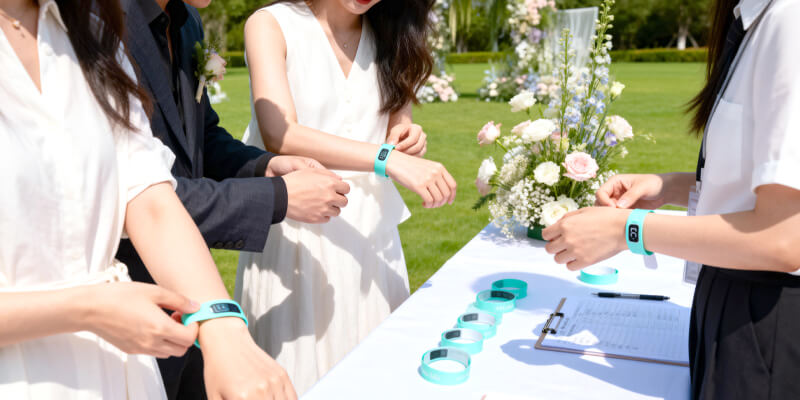
What Makes an NFC Wristband Different from a Paper Invitation?
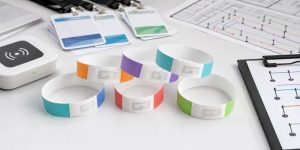
Think of it as a tiny computer disguised as a beautiful bracelet.
Inside each wristband sits an NFC (Near Field Communication) chip—the same technology that lets you tap your phone to pay for coffee. When guests hold their smartphone near the band, it instantly connects them to whatever digital experience you’ve created.
No app downloads. No QR code scanning. No fumbling with passwords.
One tap. Instant magic.
The wristband itself becomes three things at once:
- Your invitation (with all the details guests need)
- An access pass (for check-in, open bar, or VIP areas)
- A permanent keepsake (that actually means something)
I’ve seen couples program these bands to do everything from playing their engagement video to unlocking a shared photo album that updates in real-time during the reception.
Why Couples Are Moving Beyond Traditional Invitations
Let’s be honest about what happens with most wedding invitations.
Guests receive them. They check the date. Maybe they stick them on the fridge for a few weeks. Then the invitation goes into a pile, then a drawer, then eventually… gone.
The problem isn’t the invitation itself. It’s that paper can only do one job.
NFC wristbands solve this by staying useful long after the envelope is opened. Here’s what that looks like in practice:
Before the wedding:
Guests tap to RSVP, select meal preferences, and access accommodation details. You get instant responses instead of chasing people down.
During the celebration:
The same wristband becomes their entry pass, drink ticket tracker, and connection to live photo galleries. No more lost place cards or forgotten plus-one names.
After the party ends:
Guests tap months later to revisit photos, watch the ceremony video, or read thank-you messages you’ve added. The experience keeps evolving.
One bride told me her grandmother still taps her wristband every Sunday to look at the wedding photos. That’s not an invitation. That’s a memory trigger.
Designing Wristbands That Match Your Wedding Vision
Here’s where creativity meets technology.
The NFC chip is tiny—about the size of a small button. That means it can be embedded into almost any wristband style you can imagine.
For bohemian or outdoor weddings:
Woven fabric bands in earth tones, with the chip hidden inside a decorative wooden bead or metal clasp. Guests assume it’s just a beautiful bracelet until they discover what it does.
For elegant black-tie affairs:
Slim silicone bands in metallic finishes, or leather straps with engraved metal plates. Subtle enough to wear with formal attire, sophisticated enough to keep afterward.
For destination celebrations:
Waterproof silicone bands that guests can wear to the beach, the pool, and the ceremony without worry. The chip survives water, sand, and sunscreen.
For themed events:
Custom-printed bands featuring your wedding logo, date, or a meaningful phrase. Some couples include coordinates of where they met or got engaged.
The key is choosing materials that feel intentional, not gimmicky. When the wristband looks like something guests would buy for themselves, they’ll actually wear it.
What Can You Program Into Each Wristband?
This is where most couples get excited—and sometimes overwhelmed.
The NFC chip stores a small amount of data (usually a URL) that directs guests to a mobile-optimized landing page. That page can contain virtually anything:
Essential information:
- Wedding date, time, and venue details
- Interactive maps with parking instructions
- Dress code guidance and weather forecasts
- Contact numbers for day-of questions
Interactive experiences:
- Digital RSVP forms with meal selection
- Accommodation booking links with group rates
- Registry access (tastefully included, not pushy)
- Playlist requests for the DJ
Day-of features:
- Real-time schedule updates
- Live photo gallery that guests contribute to
- Seating chart lookup
- Bar menu and signature cocktail recipes
Post-wedding content:
- Professional photo galleries as they’re edited
- Ceremony video and speeches
- Thank-you messages from the couple
- Anniversary countdown or future event invitations
My professional advice: Start with five or six features maximum. You can always add more content to the landing page later—that’s the beauty of digital. But overwhelming guests with options defeats the purpose.
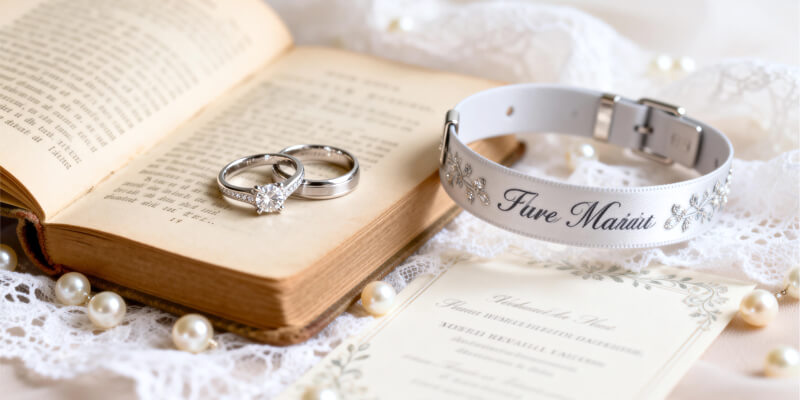
The Guest Experience: What Actually Happens
Let me walk you through how this typically unfolds.
The invitation arrives.
Instead of (or alongside) a traditional paper suite, guests receive a beautifully packaged wristband. Maybe it’s in a custom box with tissue paper. Maybe it’s attached to a simple card explaining what it does.
The card says something like: “Tap this band to your phone to begin your wedding weekend experience.”
First tap: Discovery.
Guests hold their iPhone or Android device near the band. A notification appears. They tap it and land on your wedding website—but it feels different. Personal. Like the site was made just for them.
They RSVP right there. Select their entrée. Add a song request. The whole process takes two minutes.
Wedding day: Seamless arrival.
At the venue, guests tap their wristband at check-in. Their name appears on a screen. They’re directed to their table. No lines. No searching through alphabetized lists.
Throughout the night, they tap to see the photo booth pictures, access the evening’s timeline, or find the bar serving their favorite cocktail.
Months later: Unexpected joy.
A guest finds the wristband in their jewelry box. They tap it, half-expecting nothing to happen. Instead, they’re greeted with a gallery of professional photos they haven’t seen, a video message from the couple, and an invitation to the first anniversary party.
That moment—that surprise—is what transforms a wedding favor into a lasting memory.
Practical Considerations Before You Commit
NFC wristbands aren’t right for every wedding. Here’s what to think through:
Guest demographics matter.
If most of your guests are smartphone-comfortable, this will feel intuitive. If you’re inviting many older relatives who struggle with technology, plan for a hybrid approach—wristbands for those who want them, traditional cards for those who don’t.
You’ll need a reliable landing page.
The wristband is only as good as the digital experience it connects to. Work with a web designer or use a wedding website platform that’s mobile-optimized and won’t crash under traffic.
Budget realistically.
Custom NFC wristbands typically cost between $3 and $15 per unit depending on materials, quantity, and customization. For 100 guests, expect to invest $500–$1,500 in wristbands alone, plus design and web development costs.
Test before you send.
Order samples. Test them on multiple phone types. Have friends try the tap-to-access flow. Iron out any confusion before 150 wristbands ship to your guest list.
Making It Meaningful, Not Just Clever
Technology for its own sake feels hollow. The couples who do this well understand something important:
The wristband isn’t the point. The connection is.
One groom programmed each wristband with a personalized message for that specific guest—a memory they shared, a reason they were grateful for that person’s presence. Imagine tapping your band and reading: “Remember when you drove three hours to help me move into my first apartment? That’s the kind of friend you are. Thank you for being here.”
Another couple used the bands to create a collaborative playlist. Every guest tapped to add one song that reminded them of the couple. By the reception, they had 80 songs—each one a tiny story.
The technology enables intimacy at scale. That’s its real power.
Where to Start
If this feels like the right fit for your celebration, here’s a simple path forward:
- Decide on your must-have features. What do you want guests to experience when they tap? Start with three things.
- Choose your wristband style. Match it to your wedding aesthetic. Request samples before committing to a large order.
- Build your landing page. Keep it clean, fast-loading, and mobile-first. Test on both iPhone and Android.
- Program and test. Encode each wristband with your URL. Verify every single one works before packaging.
- Create the unboxing moment. How guests receive the wristband matters. A beautiful presentation sets expectations.
Your Invitation Should Do More Than Inform
Weddings are about presence. About gathering the people who matter most and sharing something meaningful together.
Your invitation is the first touchpoint of that experience. It sets the tone. It signals what kind of celebration this will be.
An NFC wristband says: This wedding will be different. You’re not just attending—you’re participating. And we’ve thought about every detail of how to make you feel welcome.
That’s not a gimmick. That’s hospitality, reimagined.
Exploring NFC solutions for events, brand activations, or guest experiences? Our team helps creators and planners bring interactive ideas to life—from concept through production.