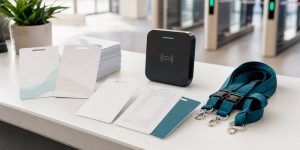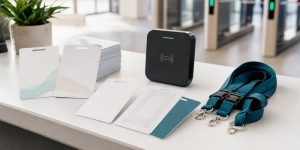
NFC Google review cards are simple tap-to-open cards that send customers to a business review page. For a single counter card, the decision may look easy: add a link, print the design, and place it near checkout. For a chain of salons, clinics, hotels, restaurants, repair shops, or retail stores, the order needs more control.
The card is only one part of the system. Buyers also need a correct review URL, a suitable NFC chip, a print layout customers understand, a QR backup, a placement plan, and a realistic test process before bulk production. A card that works during a desktop sample test can still fail if the NFC antenna is hidden under a metal stand, if the URL changes, or if staff request reviews in a way that does not match platform policy.
This checklist explains what to confirm before ordering custom NFC Google review cards in bulk, especially when you need consistent cards for many locations or customer-facing counters.
Quick Recommendation
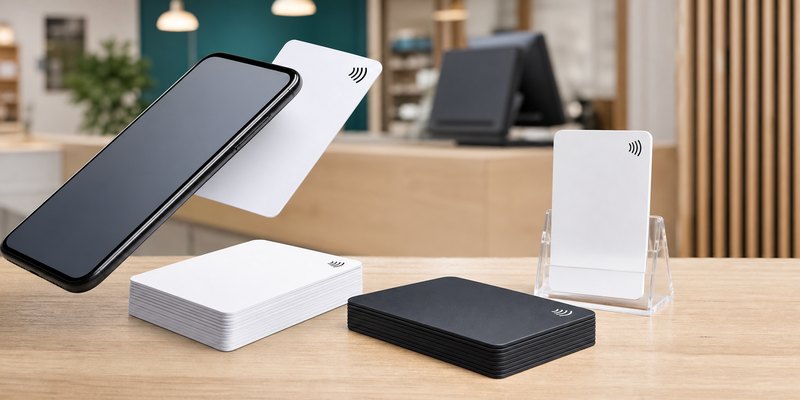
For most businesses, start with a PVC NFC card or counter stand linked to a short, tested review URL. Add a printed QR code as backup, keep the design simple, and test the card with several iPhone and Android models before approving mass production. If the card will sit on metal, near POS hardware, or inside a thick display stand, ask for sample testing before the full order.
| Buyer decision | What to check before production | Why it matters |
|---|---|---|
| Card format | Handheld card, counter card, stand insert, sticker, key fob, or epoxy card | The form factor changes how customers notice and tap it |
| NFC chip and memory | URL length, NDEF format, lock requirement, and rewrite plan | The chip must hold the destination reliably |
| Review URL | Correct business profile, location-specific link, redirect strategy | Wrong links create support issues after delivery |
| Printing | Logo, brand colors, QR code, tap area, serial number if needed | The design should guide action without clutter |
| Placement | Counter surface, phone tap angle, metal nearby, staff workflow | NFC performance depends on real use conditions |
| Compliance | Genuine review request, no incentive language, no review gating | Review collection must stay policy-safe |
What Are NFC Google Review Cards?
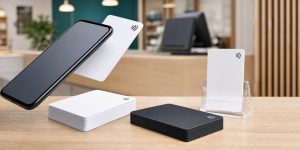
NFC Google review cards are physical cards or stands with an embedded NFC tag. When a customer taps the card with an NFC-enabled phone, the phone reads a stored NDEF URL and opens the linked review page or landing page. A QR code is often printed on the same card so customers can scan if NFC is disabled, unsupported, or hard to trigger from the card position.
ASIARFID supplies related Google Review Cards, 13.56MHz RFID/NFC cards, and NFC tags and labels for buyer projects that need custom printing, encoding, and form-factor selection.
The important point is that a review card should not be treated as a generic printed business card. It is a printed item, an NFC data carrier, and a customer-facing prompt at the same time.
How NFC Review Cards Work
Most tap-to-review cards use a 13.56 MHz NFC tag encoded with a web address. The phone reads the NDEF record and opens the destination in a browser or app context, depending on the device and operating system behavior. The exact tap experience can vary by phone model, NFC settings, case thickness, antenna position, and how the customer holds the phone.
That variability is why a QR code backup is practical. It does not replace NFC, but it gives staff a second option when a customer phone does not respond quickly. For high-volume locations, the best card is usually the one that customers can understand in two seconds and staff can explain in one sentence.
Choose The Right Card Format
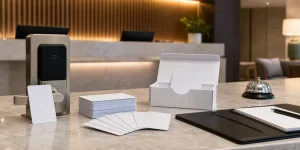
PVC cards are common because they feel familiar, print cleanly, and can be handed to a customer or placed in a holder. They work well for salons, clinics, restaurants, hotels, retail counters, service desks, and repair shops. A thicker card may feel more premium, but it should still be tested with the selected chip and print construction.
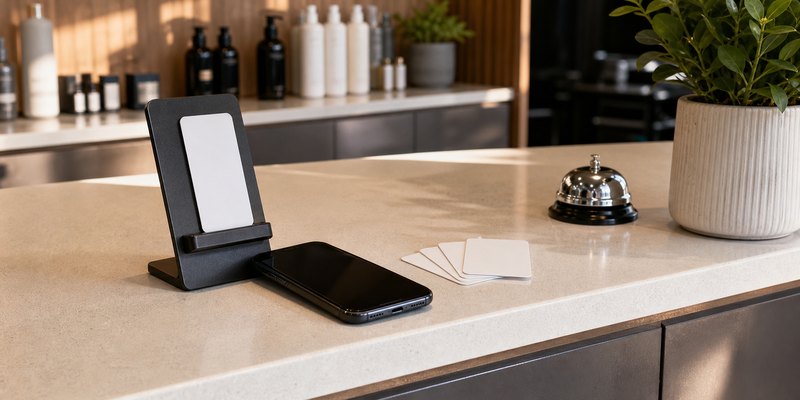
Stands and plaques can work better when staff do not want to hand over a card. The risk is placement. If the NFC tag sits too close to metal, POS equipment, a thick acrylic layer, or another electronic device, the tap may become less reliable. In those cases, ask whether a different NFC antenna position, adhesive construction, or NFC anti-metal tag format is more suitable.
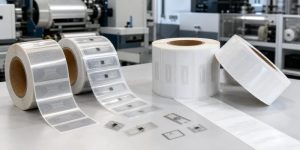
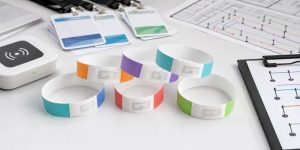
Stickers and labels are useful for takeaway bags, product packaging, table tents, appointment folders, and front-desk signs. For these, confirm the mounting surface, expected wear time, and whether the customer will tap the item while holding it or while it is fixed in place.
Confirm The Review Link Before Encoding
The most expensive mistake in a bulk order is encoding the wrong destination. Before production, prepare the final review link for every location and test it outside your admin account. The link should open the intended public review flow, not a private dashboard, a search result, or a general homepage.
Multi-location buyers should avoid using one link for all branches unless that is a deliberate operating choice. A dental group, hotel chain, gym network, or restaurant brand may need each card encoded to a specific location. In that case, create a spreadsheet with location name, shipping address, card quantity, encoded URL, printed QR code URL, and proof approval status.
If your marketing team may change destinations later, discuss whether the card should point directly to the review URL or to a managed redirect. A redirect can make later changes easier, but it also introduces another system that must remain active and correctly configured.
Plan The Print Layout For Real Customers
A review card does not need a crowded design. The customer only needs to recognize the business, understand the action, and know where to tap or scan. Good layouts usually include the brand mark, a short call to action, a clear tap area, and a QR code backup. If the card will be handled by customers, rounded corners and durable material help it stay presentable.
Do not rely on print design alone. Staff should know when to present the card and what to say. Asking after a completed service, checkout, pickup, or appointment is usually more natural than placing cards everywhere without context. Avoid any wording that offers payment, discounts, gifts, or selective treatment in exchange for reviews. The request should invite genuine feedback from real customers.
What To Prepare Before Ordering
Before requesting samples or a quote, prepare the following:
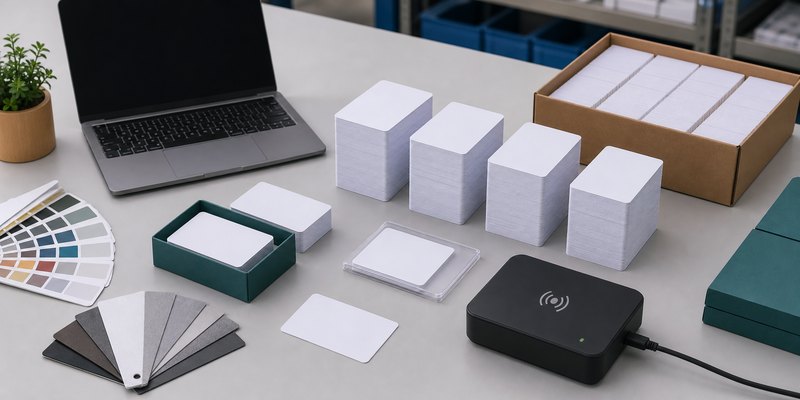
- Card type: PVC card, counter stand, sticker, key fob, epoxy card, or custom shape.
- Quantity by location: total quantity plus branch-level allocation.
- Artwork files: logo, colors, front and back design, QR code placement, and any serial-number requirement.
- Encoding data: final URL for each card group, URL length, lock preference, and whether cards should remain rewritable.
- Use environment: counter material, outdoor or indoor use, handling frequency, cleaning exposure, and nearby metal or electronics.
- Testing plan: iPhone and Android models, staff handoff scenario, stand placement, scan angle, and QR backup check.
- Packaging plan: bulk pack, branch pack, location label, or individual card sleeve.
ASIARFID can align NFC card, label, and broader RFID card options with the required format, but buyers should still test samples in the real customer environment before approving a large production run.
Common Applications
Local service businesses use NFC review cards at checkout, reception, treatment rooms, hotel front desks, delivery pickup counters, and repair-service handover points. The highest-value placements are usually moments where the customer has just completed a positive interaction and staff can make a direct, polite request.
For multi-location businesses, consistency matters more than decoration. The artwork, branch encoding, QR backup, and packaging labels must match the deployment plan. A good order file prevents the wrong cards from being sent to the wrong location.
For brand campaigns, NFC review cards can also sit beside NFC business cards, promotional NFC cards, loyalty cards, or smart packaging. If the same campaign uses different NFC products, keep URL management and encoding records consistent across all items.
Why Work With ASIARFID
NFC review-card projects combine printing, NFC encoding, and buyer-specific packaging details. ASIARFID’s relevant product range includes review cards, 13.56 MHz NFC cards, NFC labels, and custom NFC/RFID products. That range is useful when a buyer is still deciding between a handheld card, a counter display, a sticker, or another form factor.
For a serious order, send the intended card format, artwork, review links, quantity by location, and use environment. Ask for samples when surface material, stand design, or customer phone behavior could affect tap performance. NFC performance can depend on chip, antenna, phone model, phone case, tap position, nearby metal, mounting method, and interference from other electronics.
FAQ
Do NFC Google review cards work on every phone?
No physical NFC product should be described as working perfectly on every phone. Many modern smartphones support NFC reading, but behavior varies by model, settings, case thickness, antenna position, and operating system. Add a QR code backup and test with the phone types your customers commonly use.
Should the NFC link go directly to the Google review page?
Direct links are simple and reduce dependency on another system. A managed redirect can be useful when a buyer may update destinations later or manage many locations, but the redirect must remain active and tested. Choose the approach before encoding.
Can one card design serve multiple store locations?
Yes, if the printed design is generic and the encoded URL or QR code is location-specific. Multi-location orders should use a clear production spreadsheet so each branch receives the correct encoded cards.
Should NFC review cards be locked after encoding?
Locking can prevent accidental rewriting, which is helpful for customer-facing cards. Leaving cards rewritable gives more flexibility if links change. Buyers should decide based on control, staff access, and replacement plan.
What material is best for review cards?
PVC is common for durable handheld cards and counter use. Stickers or labels may fit packaging or table displays. Anti-metal constructions may be needed when the tag is mounted on metal or close to metal surfaces. Always test the final structure.
Can businesses offer discounts for reviews?
Review requests should invite genuine customer feedback. Avoid incentives, review gating, or selective requests that only encourage positive reviews. Confirm the current platform policy before printing any promotional wording on the card.
Conclusion
The best NFC Google review card is not just a printed card with a chip inside. It is a small customer-feedback system. Before bulk ordering, confirm the review URL, chip and memory fit, print layout, QR backup, placement, branch allocation, and sample test results.
If you are preparing a multi-location or custom-branded order, send ASIARFID your artwork, card format, quantity, encoding list, and use environment so the team can recommend a suitable NFC card, label, or stand-ready tag option.